

Most Common Eye Virus in Pakistan:
In Pakistan, eye health is one of the most ignored areas of healthcare, despite vision being one of our most valuable senses. With the growing population and environmental conditions, cases of eye virus in Pakistan are increasing faster and becoming common. Many people in Pakistan are confused about eye allergies or bacterial eye infections with viral eye diseases, which leads to delays in treatment. This carelessness often results in long-lasting discomfort, poor vision, and, in severe cases, permanent damage.
Luckily, specialized hospitals like EDO Eye Hospital in Wah Cantt play a crucial role in diagnosing and treating viral eye infections. Their expert guidance and advanced facilities ensure that even poor and needy patients receive affordable, high-quality care.
What is an eye virus?
An eye virus is an infection caused by biological microorganisms that attack the eye surface, mostly the conjunctiva and cornea. Unlike bacterial infections, viral eye diseases usually spread quickly, are highly contagious, and often occur in seasonal outbreaks.
These viruses are more difficult to control, especially in crowded communities in Pakistan, due to limited access to eye specialists and a lack of awareness.
Types of eye viruses:
- Adenovirus Infections (Most Common)
- Causes viral conjunctivitis (pink eye).
- Symptoms: redness, watery discharge, itching, and highly contagious.
- Herpes Simplex Virus (HSV)
- Causes Herpes Keratitis (infection of the cornea).
- Can lead to eye pain and blurred vision.
3. Varicella Zoster Virus (Shingles in the Eye)
- Reactivation of the chickenpox virus in nerves near the eye.
- Causes severe pain, redness, swelling, and sometimes blisters around the eye.
- Can damage the cornea and optic nerve.
4. Cytomegalovirus (CMV)
- Mostly affects people with weak immune systems.
- Can cause CMV retinitis, leading to blindness if untreated.
5. Epstein–Barr Virus (EBV)
Associated with conjunctivitis and sometimes uveitis.
6. Rubella Virus (German Measles)
- In congenital cases (during pregnancy), it can lead to cataracts and eye malformations in babies.
Most Common Eye Virus in Pakistan:
The most common eye viruses in Pakistan are
1. Viral Conjunctivitis (Pink Eye)
2. Herpes Simplex Virus (HSV) Eye Infections
3. Adenovirus-Related Eye Infections
1. Viral Conjunctivitis (Pink Eye)
- The most common viral eye infection in Pakistan.
- Highly transmissible, often spreading in schools, offices, and crowded places.
- Usually resolves within 1 to 2 weeks without specific treatment.
2. Herpes Simplex Virus (HSV) Eye Infections
- Caused by Herpes Simplex Virus Type-1 (HSV-1), the same virus that causes cold sores.
- Affects the cornea.
- Needs urgent medical treatment with antiviral eye drops or oral medication.
3. Adenovirus-Related Eye Infections
- Seasonal outbreaks in Pakistan are a major cause.
- Extremely infectious, spreads through hand contact, contaminated towels, and respiratory droplets.
- Can last for 2 to 3 weeks and may temporarily affect vision.
Symptoms of Eye Viruses:
There are many symptoms of eye viruses, like the following:
- Redness of the eye
- Watery discharge (not thick pus like bacterial infections)
- Itching or burning sensation
- Sensitivity to light
- Gritty feeling
- Blurred vision (in severe cases)
- Swollen eyelids
- Increased tearing
- Mild eye pain or discomfort
Causes of eye viruses
There are many causes of eye viruses, but the main causes are as follows:
- Viral Infections
- The leading cause of eye diseases like conjunctivitis (pink eye).
- Common viruses include adenovirus, Herpes Simplex Virus (HSV), Varicella-Zoster Virus (shingles), and enteroviruses.
- Herpes Simplex Virus (HSV)
- A major cause of corneal infection.
- Can cause serious complications, including corneal scarring and vision loss if it is untreated.
- Contact with Contaminated Surfaces
- Viruses can survive on doorknobs, keyboards, mobile phones, eyeglasses, towels, and makeup tools.
- Touching these surfaces and then rubbing the eyes is an easy way to transmit infection.
- Direct Contact with Infected Individuals
- Shaking hands, hugging, or being close to someone with viral conjunctivitis.
- Spread through respiratory droplets when an infected person coughs or sneezes.
- Poor Hygiene
- Not washing hands before touching the eyes.
- Using dirty contact lenses or expired eye makeup.
- Exposure to dust and pollution makes eyes more vulnerable.
- Sharing Personal Items
- Using the same towels, pillows, bed sheets, eyeglasses, or contact lenses as an infected person.
- One of the fastest ways viral eye infections spread in families, among friends, and in schools and colleges.
Risk Factors of Eye Viruses
- Poor Personal Hygiene
- Touching or rubbing eyes with unwashed hands.
- Not cleaning contact lenses properly.
- Living in Crowded Places
- Schools, offices, hospitals, and public transport increase exposure.
- Outbreaks spread quickly in such environments.
- Seasonal Outbreaks
- More common during the summer and monsoon in Pakistan.
- Hot and humid weather favors virus survival and transmission.
- Weakened Immune System
- Children, the elderly, and patients with chronic diseases (like diabetes) are more vulnerable.
- People on immunosuppressant medications have a higher risk.
- Close Contact with Infected Individuals
- Sharing household items, towels, or makeup.
- Being in physical contact with someone having conjunctivitis.
- Environmental Factors
- High dust, smoke, and pollution irritate the eyes, making them prone to viral infections.
- Delayed or Wrong Treatment
- Using random eye drops without consulting a doctor.
- Ignoring early symptoms allows the virus to worsen.
Prevention of Eye Viruses
- Maintain Proper Hand Hygiene
- Avoid Sharing Personal Items
- Disinfect Common Surfaces
- Use Contact Lenses Safely
- Protect Eyes from Environmental Irritants
- Practice Respiratory Hygiene
- Seek Early Medical Advice
- Boost Immunity
How EDO Hospital Helps Diagnose Eye Viruses
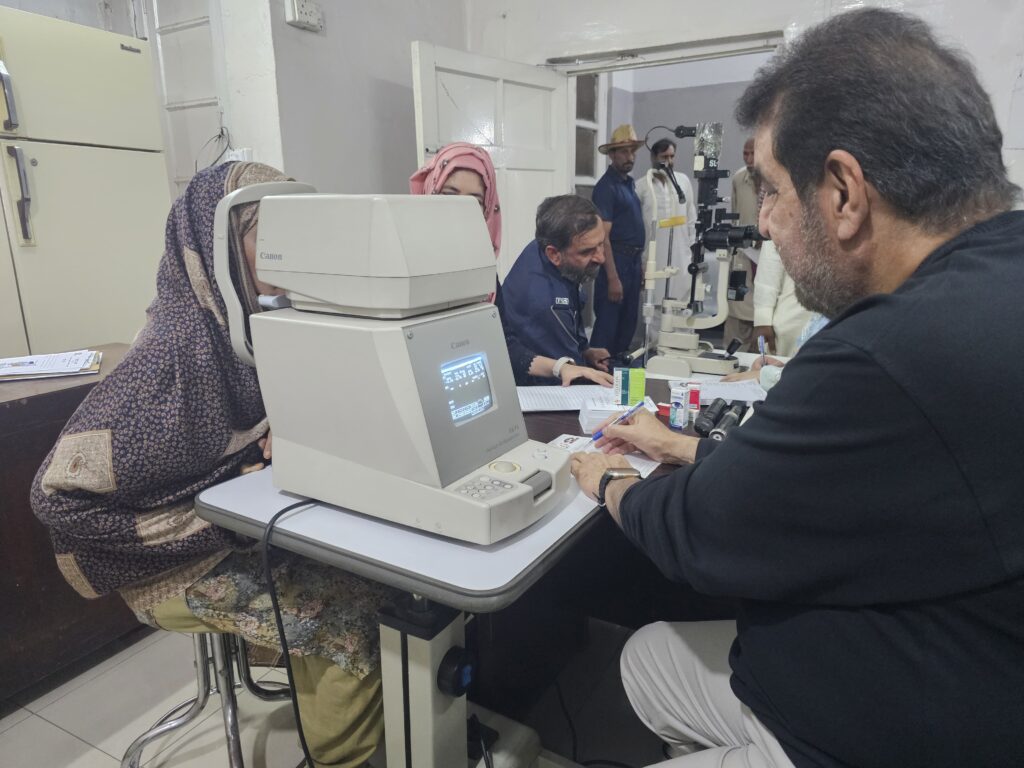
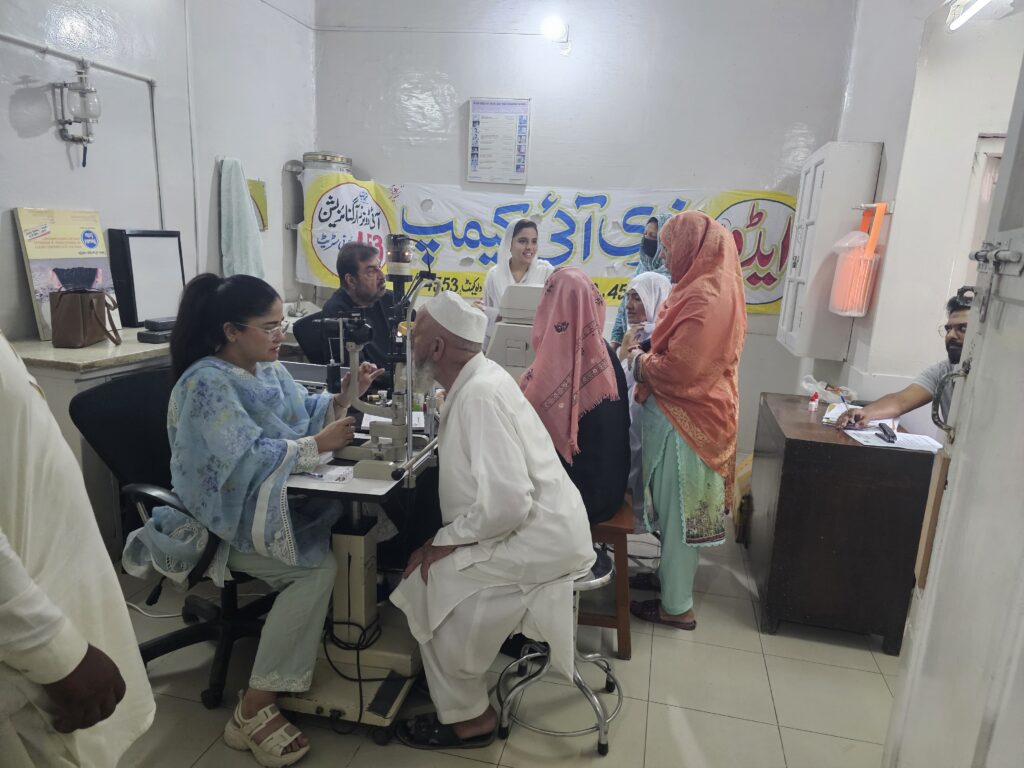
EDO Eye Hospital in Wah Cantt uses modern diagnostic equipment for accurate detection of eye viruses. These include:
- Advanced Diagnostic Facilities
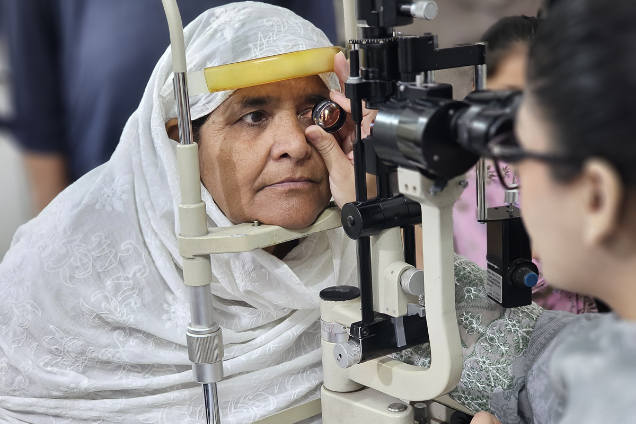
- Slit-lamp examination is used to check redness, corneal damage, and viral infection.
- Digital imaging and OCT (optical coherence tomography) are used for detailed scans of the eye structure.
- Laboratory testing is used to differentiate between viral, bacterial, or allergic causes.
- Rapid diagnostic methods to ensure patients get timely and correct treatment without delays.
- Expert Eye Specialists and Staff
- Qualified Ophthalmologists
EDO Hospital has highly qualified eye specialists, including Dr. Mumtaz Chaudhry, who has years of knowledge in diagnosing and treating viral eye diseases. - Skilled Support Staff
EDO Eye Hospital has fully trained nurses and technicians who assist doctors in examinations, lab testing, patient care, and efficient service.
- Affordable Treatment Option for Poor and Needy
- Low-Cost Consultation
EDO Hospital provides an affordable consultation fee so everyone gets the best eye treatment. - Subsidized Diagnostic Tests
Having low-cost essential tests like vision screening, slit-lamp examinations, and lab work makes accurate diagnosis accessible for all.
- Compassionate Care
The hospital operates with a mission of serving the poor and needy, focusing not only on treatment but also on long-term eye health awareness and prevention.
Why EDO Hospital is a Trusted Choice
Patients trust EDO Eye Hospital, Wah Cantt, because it has skilled doctors, modern testing facilities, and affordable treatments. They have caring staff and a fair system makes sure every patient—rich or poor—gets the same attention and care.
Conclusion
Eye viruses are spreading faster in Pakistan because of poor hygiene, crowded places, and low awareness. Common problems include viral conjunctivitis, herpes eye infections, and adenovirus outbreaks.
These can cause eye pain, eye irritation, and even long-term vision loss if not treated on time. Getting a quick diagnosis and the right medical care is very important to protect eyesight.
EDO Eye Hospital in Wah Cantt stands out as a trusted center for diagnosing and treating viral eye diseases. With advanced diagnostic tools, expert eye specialists such as Dr. Mumtaz Chaudhry, trained staff, and affordable care for the poor and needy, the hospital ensures that quality treatment is accessible to everyone. By choosing EDO Hospital, patients not only receive reliable care but also take an important step toward maintaining long-term eye health and protecting their vision.
What is the most common eye virus responsible for conjunctivitis in Pakistan?
The predominant cause of eye virus-related infections in Pakistan is viral conjunctivitis (pink eye), most commonly triggered by adenoviruses, responsible for up to 65%–90% of viral conjunctivitis cases globally, according to Wikipedia. While no Pakistan-specific virus strain is named, the 2023 nationwide pink eye outbreak was clearly due to viral conjunctivitis.