

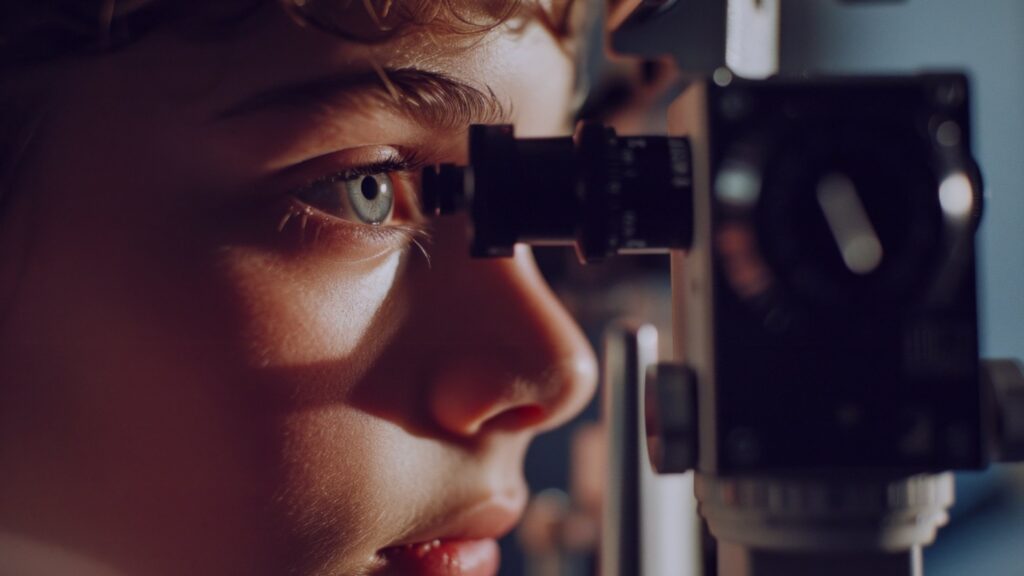
In Pakistan, eye diseases pose a significant health challenge, impacting millions every year. Lack of awareness and limited access to healthcare services contribute to the prevalence of these conditions. At EDO Hospital, we are dedicated to raising awareness, providing regular eye check-ups, and offering accessible treatment options. Together, we can combat the rising tide of eye diseases in Pakistan and safeguard the precious gift of vision for all.
Amidst the vibrant colors and dynamic life of Pakistan, there lies an unseen challenge that affects millions of lives every year: eye diseases. With an exceeding population of 220 million, Pakistan is facing a significant burden of serious eye conditions, many of which go untreated due to various reasons.
Lack of awareness and accessibility to healthcare services is one of the leading causes of this concerning situation.
Eye diseases in Pakistan have become a socioeconomic concern, impacting the lives and productivity of the masses. The importance of awareness can’t be overstated. Early diagnosis and timely treatment can save the eye from irreversible vision loss. To achieve this goal individuals must understand the symptoms and seek professional help immediately when something seems off.
Moreover, awareness campaigns, regular eye examinations, and accessible treatment options, like ours, are the need of the hour to prevent the growing rate of eye diseases in Pakistan.
Vision is a precious gift and preserving it requires our collective effort. In this article, you will get to know about 6 most Common eye diseases in Pakistan and their treatments.
- Cataract (A veil over vision):
Cataract disease is characterized by clouding of the eye’s lens. Cataracts represent a significant challenge to eye health as they not only lead to blindness worldwide but are also a prevalent issue in Pakistan. According to a study, In Pakistan, about 26 million people lost their vision out of which 1.8 million people suffered from conditions like cataracts.
There has been a remarkable 200% improvement in cataract surgical rate over the last 18 years. There remains a huge population suffering from the condition indicating room for further improvement in the distribution of eye health facilities and lack of awareness among people.
Treatment Options:
Primary treatment for cataracts involves surgical intervention with either traditional or laser-assisted methods. The clouded lens is removed and replaced with an intraocular lens (IOL) – an artificial lens.
Symptoms:
Mild Cataracts are hard to detect but as the condition prevails you may notice;
- Colors look faded
- Any source of light like a lamp, headlight, or even sunlight seems too bright
- Poor vision at night
- Blurry or cloudy vision
- You notice a halo around the lights
- Some even report double vision at the beginning
- Your lens prescription changes faster than usual.
Contact an eye specialist as soon as you notice 2 or more of these symptoms this may lead to serious consequences in future.
Are you at risk of cataracts?
The risk of cataracts increases with age. Usually, people around 80 are more prone to getting this disease which may affect one or both eyes. However, this condition is noncontagious and would not spread from one eye to the other. Here are more things that may lead to eye diseases, especially cataracts.
- Smoke and consuming too much alcohol
- Health problems like diabetes
- Eye injury or eye surgery
- Family history of cataracts
- Longer exposure to the sun
- Use of steroids or pharmaceutical drugs to treat arthritis allergies and other health issues
- Exposure to radiation or radiation treatment to the upper body.
Prevention of Cataracts:
Here are few steps to protect your eyes from cataracts
- Wear sunglasses or use a hat when outside to avoid sun
- Protect your eyes from injury. Wear protective glasses to protect your eyes from any accidental injuries.
- Quit smoking and seek professional help if you need any support.
- Glaucoma (Silent Thief of Sight):
Its gradual onset gives it the name “silent thief of sight” and because of this slow spread when its symptoms appear it is already considerable loss done. Glaucoma is a group of eye diseases that primarily damage the optic nerves essential for vision.
Symptoms:
- Sudden severe pain in one eye
- Red eyes
- Swollen eyes
- Cloudy vision
- Nausea or vomiting
- Colorful Halos around lights
Treatment for Glaucoma:
This condition is associated with elevated intraocular pressure. So its treatment focuses on various ways to lower intraocular pressure to prevent further optic nerve damage. Such as:
- Medications like eye drops are the most common way to treat glaucoma. They either reduce the production of aqueous fluid in the eye or promote its outflow to lower eye pressure. Tear drops for lubrication and tear stability.
- Laser treatments such as trabeculoplasty aim at opening the drainage angle of the eye to facilitate fluid outflow.
- In adverse conditions of glaucoma, surgical operations like trabeculectomy are carried out. Another method is the implantation of drainage devices to maintain eye pressure at safe levels.
Remember regular eye screening after 40 years of age, helps in early detection and prevention of glaucoma.
Common risk factors:
It should be injury, cataract etc
- Pink Eye:
In September 2023, an unexpected outbreak of conjunctivitis, commonly known as pink eye disease . This highly contagious condition emerged in Karachi and spread to other cities instantly including Lahore, Rawalpindi, Islamabad and Khyber Pakhtunkhwa.
Types of pink eye and their causes:
- Bacterial Conjunctivitis:
Caused by bacteria from contaminated surfaces or unwashed hands. It includes severe pain, yellowish discharge (pus), and redness of the eye.
- Viral Conjunctivitis:
Being viral it is highly contagious. It involves severe itching, clear discharge, and redness.
Treatment:
- Eye Drops and Ointment:
- Cold compresses: Soothes inflammation and discomfort.
- Hygiene measures: Wash hands frequently and avoid touching eyes again and again.
- Rest and recovery: Mostly recover within a week but seek professional help if problem prevails.
Explore
- Presbyopia:
This Age-Related Focus Dilemma affects the ability to focus on close objects. It is affecting a significant portion of the adult population.
Treatment:
- Prescription eyeglasses
- Contact lenses
- Lense implants
Prevention:
its a normal phenomenon and happens with age you can’t prevent it but you can help yourself by wearing proper glasses.
- Astigmatism:
Astigmatism characterizes blurry or distorted vision. This condition is caused by an irregularly shaped cornea or lens inside the eye. This prevents light from focusing on the retina properly. This may be present at birth. However, Injury, surgery or certain medical conditions can also lead to this eye disease.
Symptoms:
- Blurred or distorted vision at all distances
- Eye strain, fatigue, and discomfort
- Squinting or tilting head to see clearer
- Headache
- Difficulty seeing at night or low light
Treatment:
- Use of glasses and corrective lenses refract light properly to improve vision
- Refractive surgery reshapes the cornea to improve vision
- Toric lenses are specially designed to correct irregular corneal shapes.
- Orthokeratology (Ortho-K) is a nonsurgical way to reshape the cornea.
- Corneal opacity:
As the name indicates corneal opacity means the clouding or opacity of the cornea. It may occur due to injury to the eye, Infection (bacterial, fungal, or viral) inflammation, congenital conditions, surgical complications, and Aging.
Symptoms:
- Blurry or distorted vision
- Glare around lights
- Eye discomfort and pain
- Red and swollen eyes
- Sensitivity to light
Treatment options:
- Medical treatment by use of antibiotics, antiviral medications
- Surgical treatments such as corneal transplantation and keratoplasty
- Laser surgery such as phototherapeutic keratectomy to treat cornea
- Use of contact lenses or glasses to correct vision problems.
Having awareness of common eye diseases in Pakistan is a stepping stone towards preventing and treating them.
For more details about the eye care keep visiting edowah organizations official website.