
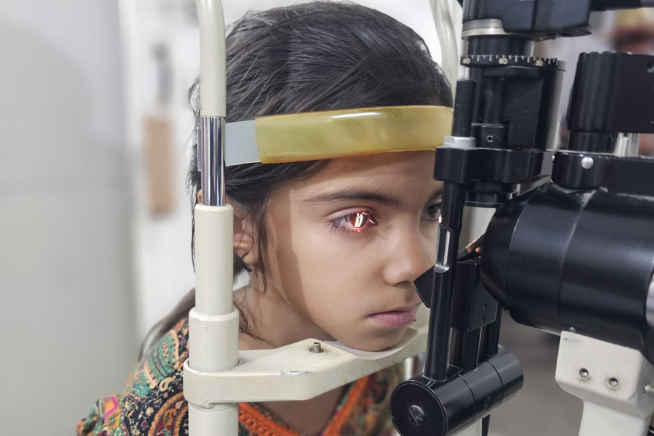
Introduction: Why Children’s Eye Health Matters
A child’s learning, growth, and overall development of a good range of vision is very important. If a child has trouble seeing clearly, it can affect their ability to read, write, learn, and participate in everyday activities. The main common eye problem in children is hypermetropia, which is also called farsightedness or long-sightedness. In this condition, faraway objects appear clear, but those things that are close, such as books or notebooks, seem blurry. This makes it difficult for children to focus on their schoolwork and near things.
Early detection of eye problems, like hypermetropia, is very important because young children may not realize they have vision issues or don’t know how to explain them. If an eye problem is not treated on time, it can cause eye strain, headaches, poor school or academic performance, or even more serious vision disorders such as lazy eyes.
EDO Eye Hospital gives special attention to children’s eye health. EDO Eye Hospital offers regular eye checkups, accurate diagnosis, and proper treatment for each child. In EDO Eye Hospital, they focus on early detection so that children can have clear vision and healthy eyes from a young age. By addressing conditions like hypermetropia early, EDO Eye Hospital helps children see clearly, learn better, and grow with confidence.
What is Hypermetropia Eye Disease?
Hypermetropia, also called farsightedness or long-sightedness, is a common eye problem in which a person can see clearly only those things that are far away, but close objects look blurry. This happens when the eyeball is shorter than normal, or the front part of the eye (cornea) is too flat. Because of this, the focus of light rays is behind the cornea instead of directly on it, making nearby things harder to see clearly.
Type of Hypermetropia Eye Disease
There are 5 main types of hypermetropia eye disease. The following are the following
1. Simple Hypermetropia
- Most common type of hypermetropia.
- Caused when the eyeball is shorter than normal or the cornea is too flat.
- Usually present from birth.
- By wearing glasses or contact lenses, it can be easily corrected.
- Often runs in families.
2. Pathological Hypermetropia
- Caused by diseases, injuries, or irregular development of the eye.
- May occur due to eye infection, injury, or tumor.
- The structure of the eye is not normal.
- It is more serious than simple hypermetropia.
- May need medical treatment or surgery, not just glasses.
3. Functional Hypermetropia
- Caused when the eye muscles that help focus do not work properly.
- The ciliary muscle becomes weak or paralyzed.
- The eye cannot adjust to see objects clearly.
- May happen due to nerve problems or illness.
- Needs treatment for the underlying cause.
4. Latent Hypermetropia
- This type is hidden because the eye automatically corrects it using its own focusing power.
- The person may not notice any vision problem.
- Common in children and young adults with strong eye muscles.
Manifest Hypermetropia
This type can be easily seen and measured during an eye test.
The eye cannot focus clearly without help.
Divided into two subtypes:
a. Facultative Hypermetropia: The eye can correct it with effort or glasses.
b. Absolute Hypermetropia: The eye cannot correct it by itself and needs glasses or lenses.
Symptoms Parents Should Watch for Hypermetropia:
Hypermetropia, also called farsightedness or long-sightedness, can be difficult for parents to notice in their child because children often do not realize they have a vision problem. Below are the key signs and hints parents should watch for:
Symptoms
- Squinting: The child often squints or narrows their eyes to see nearby objects clearly.
- Difficulty seeing close objects: Reading books, writing, or doing homework may be hard because close-up vision is blurry.
- Frequent headaches: Headaches or eye pain may occur after reading, studying, or using digital devices.
- Eye strain or discomfort: The eyes may feel tired or sore after doing near work.
- Eye rubbing: The child rubs their eyes often to relieve discomfort or improve focus.
- Avoiding reading or near tasks: Children may avoid reading, drawing, or doing homework because it strains their eyes.
- Holding objects far away: They hold books, tablets, or toys farther from their face to see them more clearly.
- Short attention span during near work: They lose focus quickly when doing tasks that require close vision.Poor school performance: Struggling with reading or copying from the board can affect learning.
Causes of Hypermetropia in Children
1. Short Eyeball
- The eyeball is smaller or shorter than normal.
- Light rays focus behind the retina instead of on it, so the image looks blurry, especially for nearby objects.
- Because of this, faraway things look clear, but nearby objects look blurry.
2. Flat Cornea
- The cornea is not curved enough to bend light properly.
- A flatter cornea reduces the eye’s focusing power.
- As a result, light rays don’t meet at the correct point on the retina.
3. Weak Lens Power
- The lens inside the eye may lack the proper curvature.
- It cannot adjust its shape effectively for near vision.
- This causes eye strain and blurred vision when reading or focusing up close.
4. Genetic Factors
- Hypermetropia often runs in families.
- If one or both parents are farsighted, children have a higher chance of developing it.
- Some children may be born with a natural tendency toward hypermetropia.
1. Improper Eye Growth
- Children’s eyes are still developing and changing shape.
- If the eye doesn’t grow long enough, the focus point remains behind the retina.
- In some cases, the condition improves naturally as the child grows.
2. Developmental Problems
- During pregnancy, poor eye structure formation can lead to hypermetropia.
- Nutritional deficiencies or infections in early life may affect eye growth.
- Structural issues like small eyeball size or flat cornea may result.
3. Refractive Error Imbalance
- The cornea and lens do not have the correct combination of power.
- This imbalance causes light to bend unevenly as it enters the eye.
- The image forms behind the retina, leading to farsightedness.
Risk Factors of Hypermetropia in Children:
1. Family History
- If parents have even one who has hypermetropia, their children are more likely to have it too.
- The size and shape of the eye can also be affected by genes.
Having a family history of the condition increases the chances of geng hypermetropia early.
2. Small Eyeball Size
- When the eyeball is shorter than normal, the retina is instead of on it due to light focusing behind.
- Because of this, nearby objects look blurry or unclear.
- The small size of the eyeball commonly occurs when the eye doesn’t grow completely in early childhood.
- It is one of the main reasons why children develop hypermetropia.
3. Abnormal Cornea or Lens Shape
- A flat cornea bends lights too weakly, resulting in blurred near vision.
- The lens may lack sufficient curvature to properly focus light on the retina.
- These structural irregularities reduce the eye’s focusing power.
- Even small changes in the cornea or lens shape can cause clear vision problems.
4. Age Factor
- Mild hypermetropia is common in newborns and young children.
- As children grow, their eyeballs normally get longer, which can improve vision.
- In some cases, hypermetropia stays because the eyes grow more slowly.
5. Health and Nutrition Issues
- Early childhood or a poor diet during pregnancy can affect the eyes.
- Lack of important vitamins like A and C can slow down proper vision development.
- Early infections or illnesses may disturb normal eye formation.
- Children with weak overall health have a higher chance of developing vision problems.
Treatment Options for Hypermetropia in Children:
1. Prescription Glasses for Hypermetropia
- The primary and most common treatment for children with farsightedness is wearing glasses.
- Glasses help to focus light correctly on the retina so that the child can see things clearly, both near and far.
- Children are commonly advised to wear glasses all the time, particularly during school and reading activities.
- Regular eye checkups help make sure the glasses’ power is still correct as the child grows.
2. Contact Lenses for Hypermetropia
- Contact lenses are the second option for older children and teenagers who can take care of their lenses properly.
- They provide a comfortable and clearer view and are good for sports or active children.
- Contact lenses can be soft or hard, depending on the child’s needs and eye health.
- Regular follow-up visits are needed to check Len’s fitness, cleanliness, and eye comfort.
3. Eye Focusing Problems and Vision Therapy
- Some children with farsightedness have trouble focusing or get eye strain while reading.
- Vision therapy can help improve how the eyes work together and focus on close objects.
- It includes eye exercises done under the guidance of an eye doctor.
- This therapy can reduce headaches, tired eyes, and double vision during study or reading.
- Role of EDO Eye Hospital in treating:
- EDO Eye Hospital gives each child a custom eye prescription based on each child’s eye structure and visual needs.
- In EDO Eye Hospital, their doctors suggest checking and changing glasses or lenses regularly as the child grows and their vision changes.
- EDO Eye Hospital’s main goal is to keep eyes healthy, detect the problem early, and prevent eye strain or squinting.
- They also teach parents how to care for their child’s eyes and remind them to come for regular checkups for proper vision correction.
What EDO Eye Hospital Suggests for Managing Hypermetropia:
Understanding Hypermetropia
Hypermetropia, also called farsightedness or long-sightedness, is a common eye problem in which a person can see clearly only those things that are far away, but close objects look blurry. This happens when the eyeball is shorter than normal, or the front part of the eye (cornea) is too flat.
Early Intervention Benefits
Early detection and treatment can avoid difficulties like eye strain, headaches, and squinting. Early time of treatment ensures normal visual development and reduces the risk of amblyopia
Regular Monitoring:
EDO Eye Hospital suggests developmental eye check-ups every 6–12 months to carefully monitor vision changes. Consistent monitoring also enables early detection of related issues, such as focusing on difficulties with the lazy eye, allowing timely treatment to maintain clear and healthy vision.
Preventive Vision Care and Long-Term Outlook
Eye Focusing Problems:
- The children who have hypermetropia—those children struggle to focus on near things, leading to eye strain and pain.
- EDO Eye Hospital suggests early checkups and vision exercises to make the eye muscles stronger and prevent lazy eye.
Eye Care Tips for Children:
- Remind children when they are reading or screen-using to take a little break.
- Use good lighting when reading and maintain a diet that has vitamins A and C.
- Make sure, as advised by the doctor, children wear their glasses regularly. 3: Preventive Strategies and Ongoing Care:
- Continued and proper eye care helps moderate strain and maintain clear vision.
- Regular follow-up visits are important to change lenses and glasses when needed.
- EDO Eye Hospital provides continuous support for long-term eye health through personalized care and parent guidance.
Conclusion:
Healthy vision plays a vital role in a child’s growth, learning, and daily life. Hypermetropia, or farsightedness, is a common problem that can make near objects look blurry and cause eye strain or eye pain if not treated. With early eye checkups, regular care, and proper glasses, it can be managed easily. EDO Eye Hospital focuses on early detection of problems, customized treatment, and parent education to keep children’s eyes healthy. Through regular monitoring and preventive eye care, EDO Eye Hospital helps children to see clearly, have a bright future, study comfortably, and enjoy a confident future.
FAQs:
1. What is hypermetropia eye disease in children?
Hypermetropia, also called farsightedness or long-sightedness, is a refractive eye disease where distant objects appear clear but nearby objects look blurry. It happens when light focuses on the retina instead of directly on it.
2. What causes hypermetropia, or farsightedness, in children?
It is often caused by a shorter eyeball or weak eye focusing power, which prevents light rays from focusing correctly. In some children, it can also be inherited.
3. How can hypermetropia affect a child’s learning and development?
Untreated farsightedness can cause eye strain, headaches, and difficulty focusing on near tasks such as reading or writing, leading to learning difficulties in school.
4. How is hypermetropia diagnosed in children?
An eye specialist uses a comprehensive refraction test and eye examination to check the child’s focusing ability and measure the degree of refractive error.
5. What are the treatment options for hypermetropia in children?
The most common treatments include prescription glasses for hypermetropia and contact lenses for hypermetropia in older children. In some cases, vision therapy or eye exercises may also help improve focusing ability.
- At what age should children be tested for farsightedness or longsightedness? Eye doctors recommend that children have their first eye exam by the age of 3–5 years, or earlier if symptoms like squinting, eye rubbing, or difficulty reading are noticed.
7. Can hypermetropia eye disease go away as a child grows?
Mild cases often improve naturally because the eyeball grows and lengthens with age. However, regular monitoring every 6–12 months is essential to ensure proper vision development.
8. What eye care tips does EDO Eye Hospital suggest for children with hypermetropia?
EDO Eye Hospital advises:
- Wearing prescribed glasses full-time.
- Taking regular breaks from reading or screen use.
- Eating foods rich in vitamins A and C.
- Visiting the eye doctor regularly for follow-up checkups.
9. When are contact lenses recommended for children with hypermetropia?
Contact lenses are suggested for older, responsible children who can handle lens care properly and prefer them for comfort or aesthetic reasons.
10. How does EDO Eye Hospital help manage hypermetropia eye disease?
EDO Eye Hospital provides personalized treatment plans, customized lens prescriptions, early detection programs, and parental guidance to support children’s long-term eye health.
